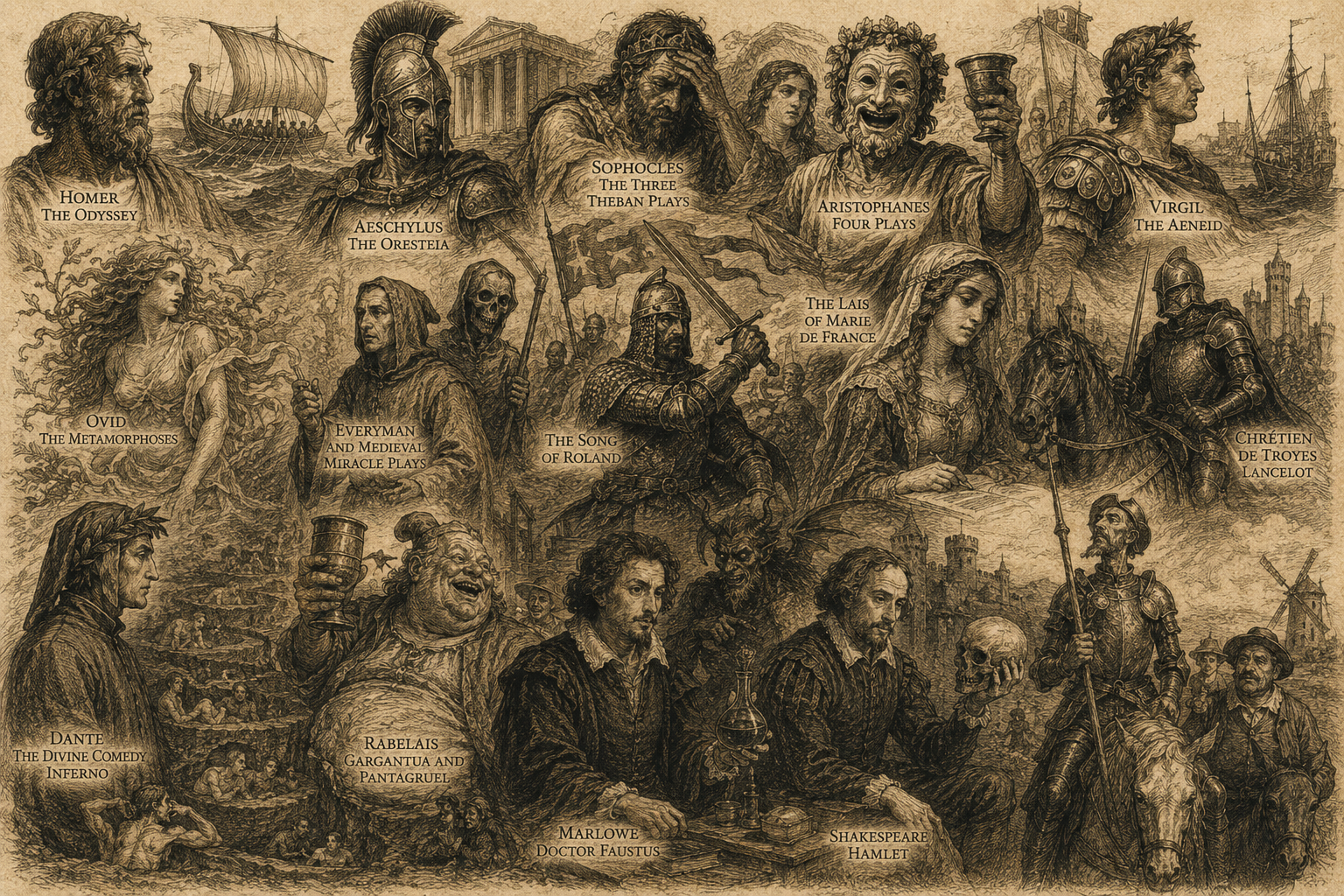
History of European Literature Introduction
Paul Cantor’s History of European Literature Course Part 1. Lecture 1
Read More
The Iliad Lecture 1
Paul Cantor’s lecture notes on Homer’s Iliad from his Comparative Literature course at the University of Virginia. Lecture 2
Read More
The Iliad Lecture 2
Paul Cantor’s lecture notes on Homer’s Iliad from his Comparative Literature course at the University of Virginia. Lecture 3
Read More
The Odyssey Lecture 1
Paul Cantor’s lecture notes on Homer’s Odyssey from the History of Literature. Lecture 4
Read More
The Odyssey Lecture 2
Paul Cantor’s lecture notes on Homer’s Odyssey from the History of Literature. Lecture 5
Read More
Greek Drama Introduction
An introduction to Greek Drama. Part of Paul Cantor’s History of European Literature course. Lecture 6
Read More
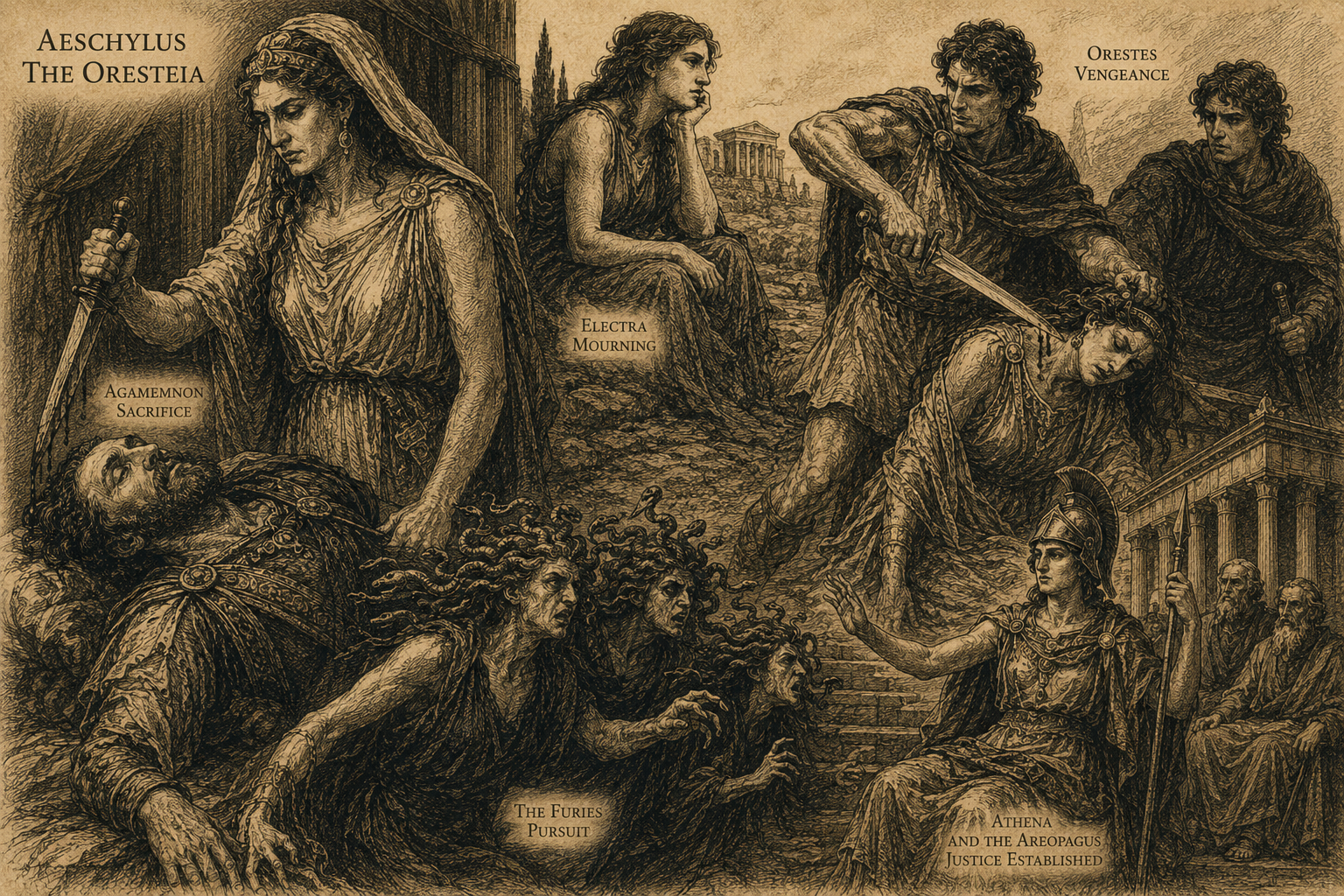
Aeschylus' The Oresteia
Paul Cantor’s lecture notes on The Oresteia from the History of European Literature course. Lecture 7
Read More
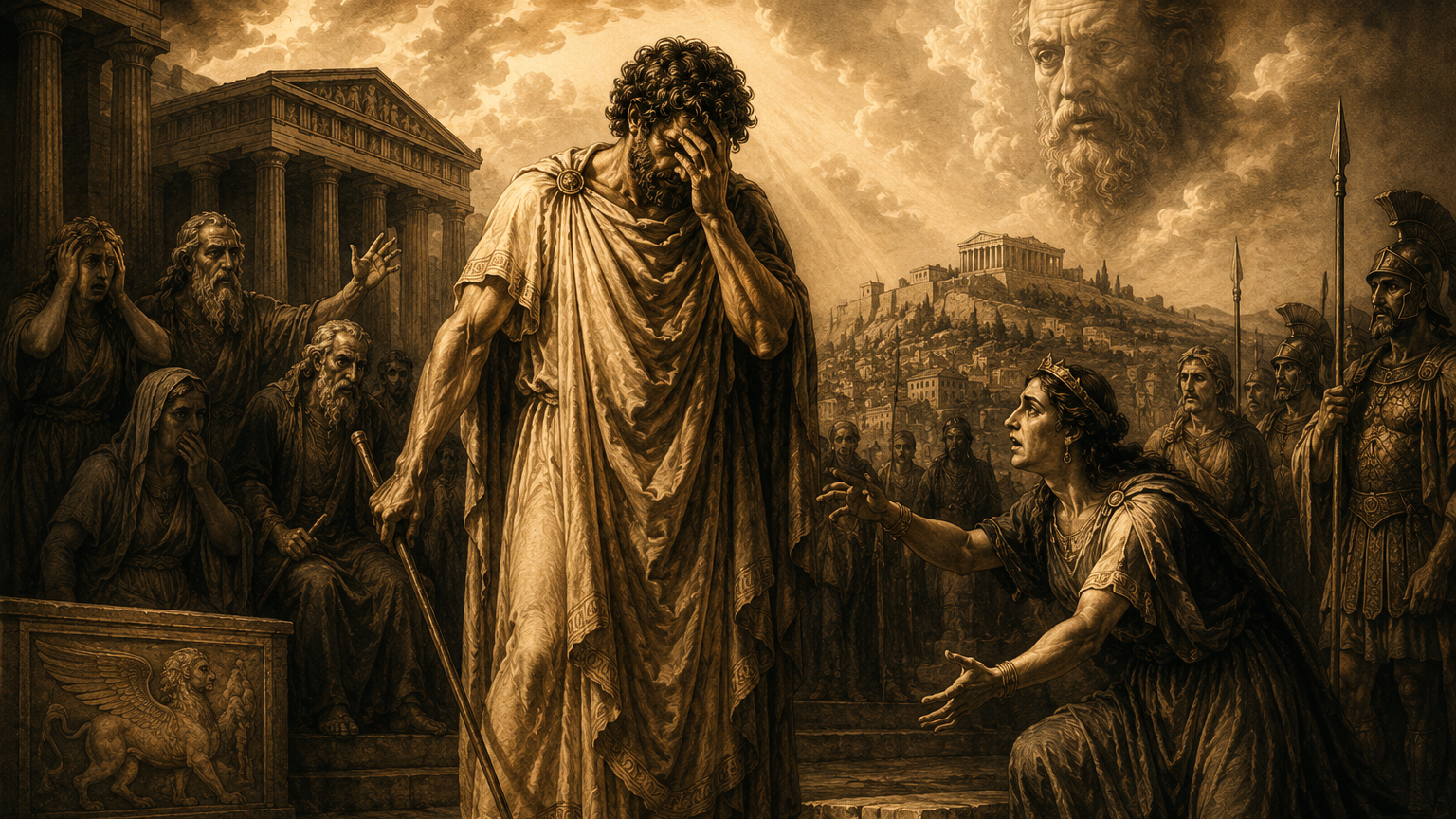
Sophocles' On Oedipus Tyrannos
Sophocles turns the tyrant, the self-made hero who conquers the city itself, into a study of how the very qualities that let Oedipus solve the Sphinx's riddle and save Thebes are the same qualities that drive him to uncover, and be destroyed by, the truth about himself. Lecture 8
Read More
Sophocles' On Oedipus Tyrannos Part 2
Second lecture on Oedipus Tyrannos. Lecture 9
Read More
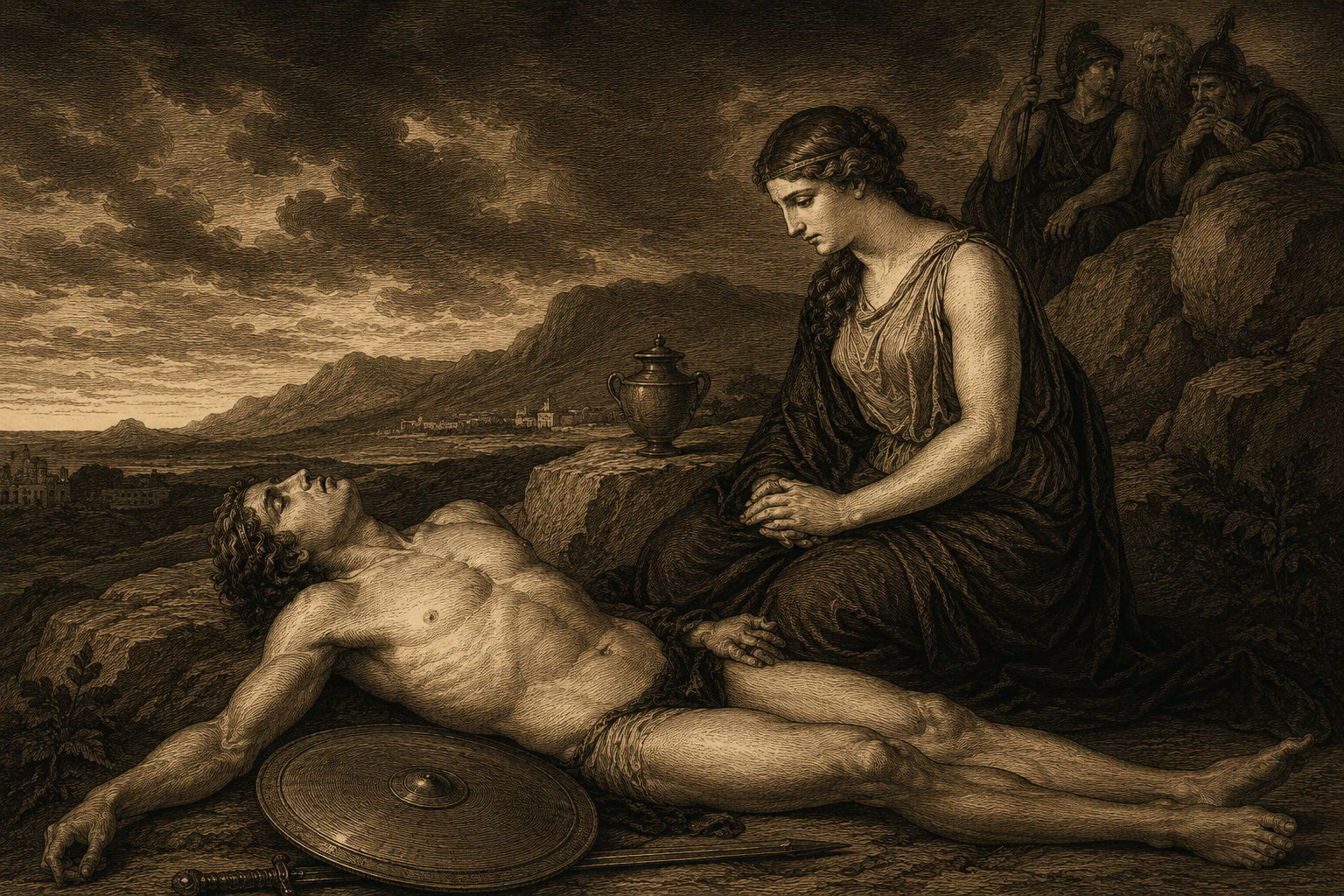
Sophocles' Antigone
History of European Literature lecture on Sophocles’ Antigone. Lecture 10
Read More
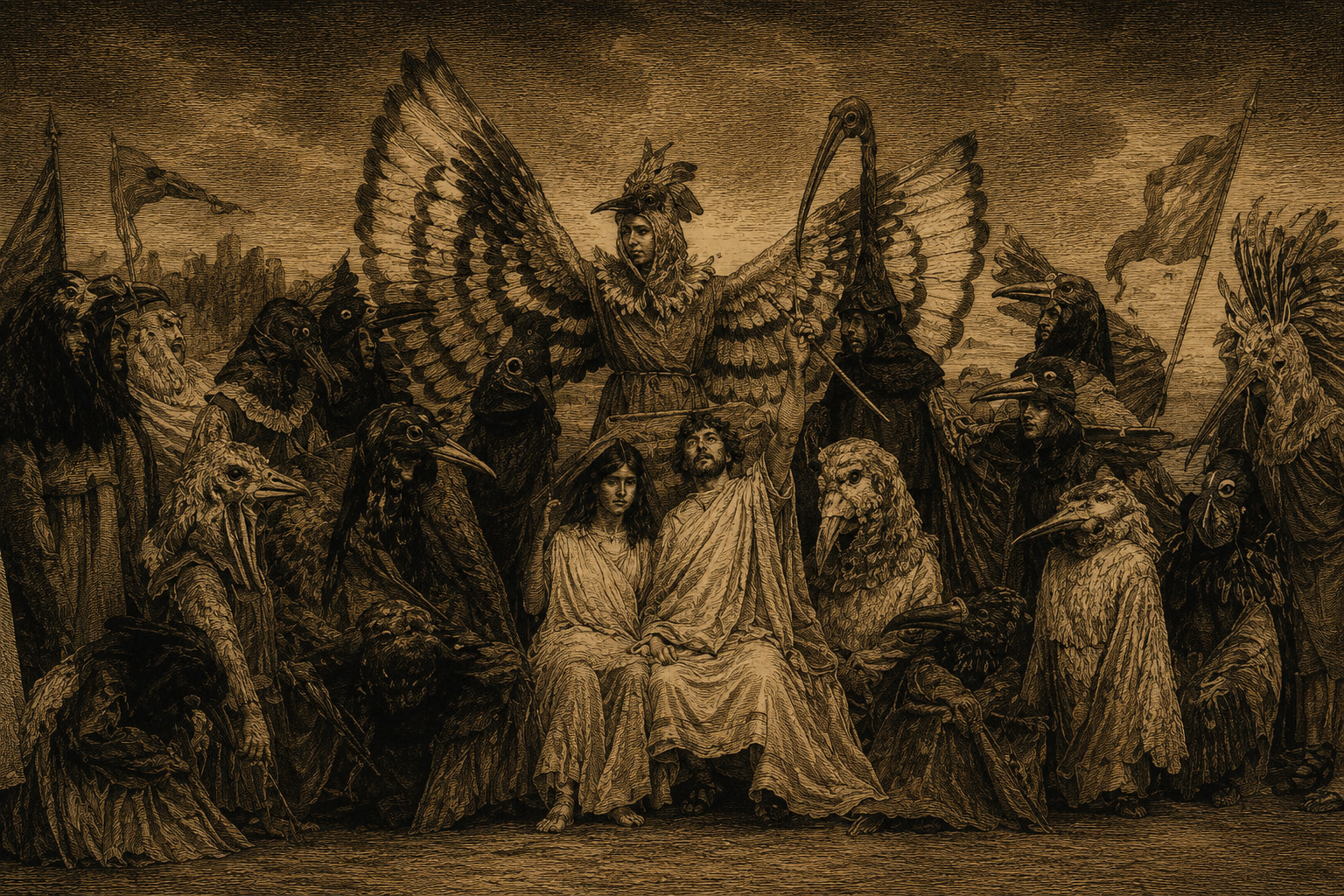
Aristophanes & Greek Comedy
History of European Literature lecture on Aristophanes’ The Birds and general introduction to the birth of Greek comedy. Lecture 11
Read More
Aristophanes' The Clouds
History of European Literature lecture on Aristophanes’ The Clouds. The lecture examines philosopher as the last Greek hero. Lecture 12
Read More
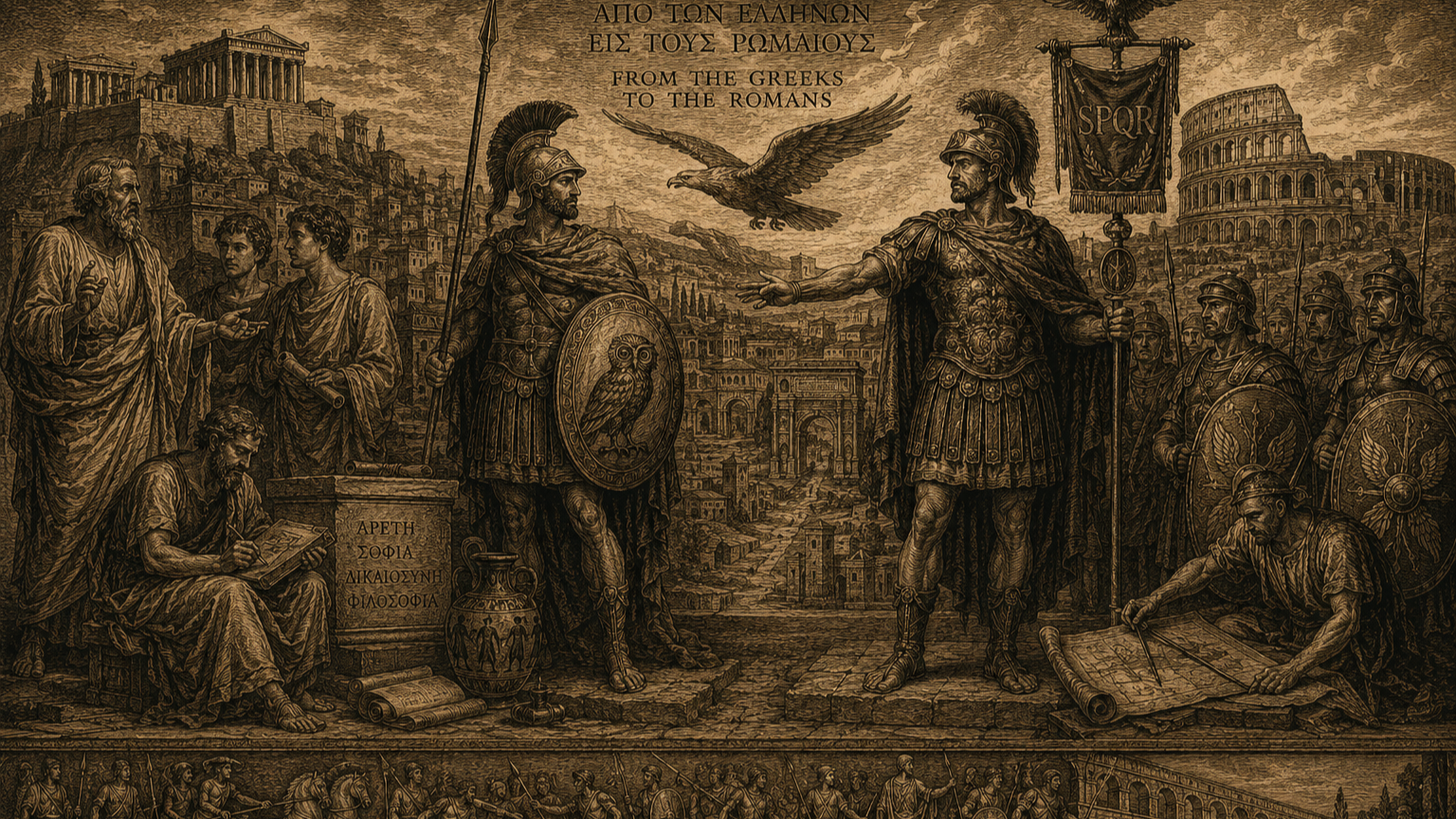
Greeks to Romans: Virgil's Aeneid
History of European Literature. From the Greeks to the Romans, this is an introduction to Rome and Virgil’s Aeneid. Lecture 13
Read More
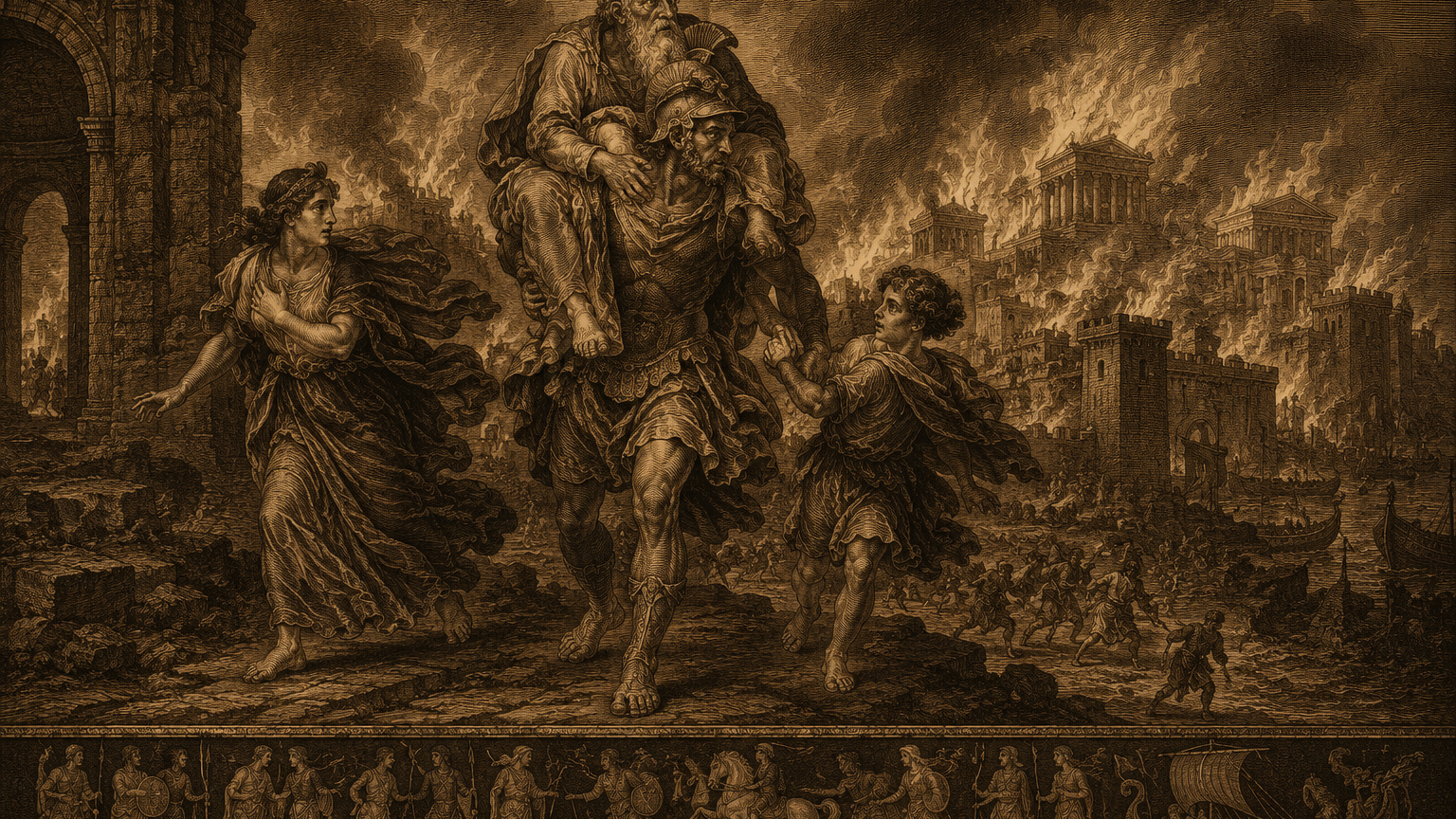
On Virgil's Aeneid
History of European Literature lecture on Virgil’s Aeneid. Lecture 14
Read More
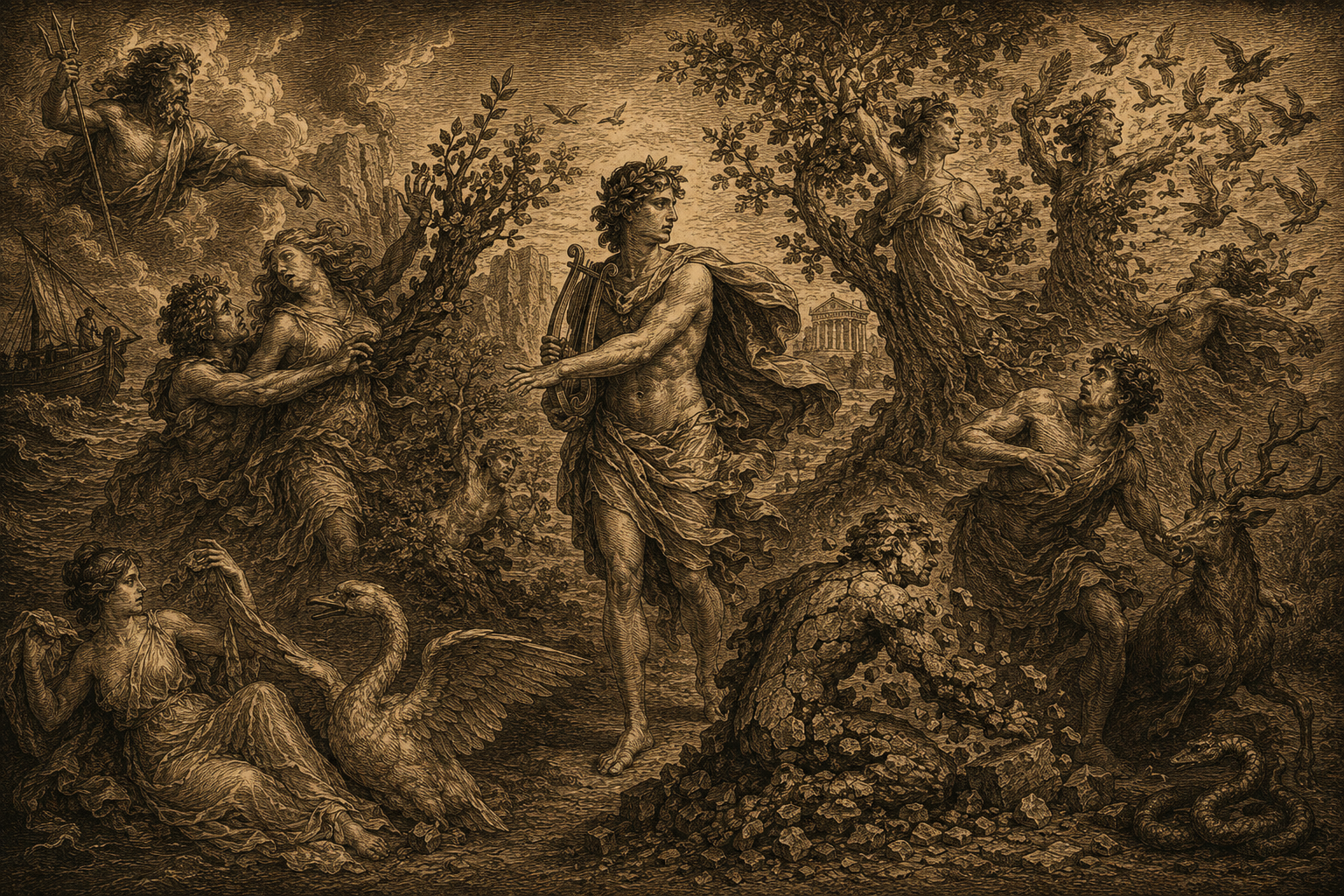
Ovid's Metamorphoses
As Rome hardens from Republic into Empire, Ovid answers Virgil's myth of order with a world where the gods are as fickle as emperors, the ground beneath every certainty keeps shifting, and the only truths left to tell have to be smuggled in as myth. Lecture 15
Read More
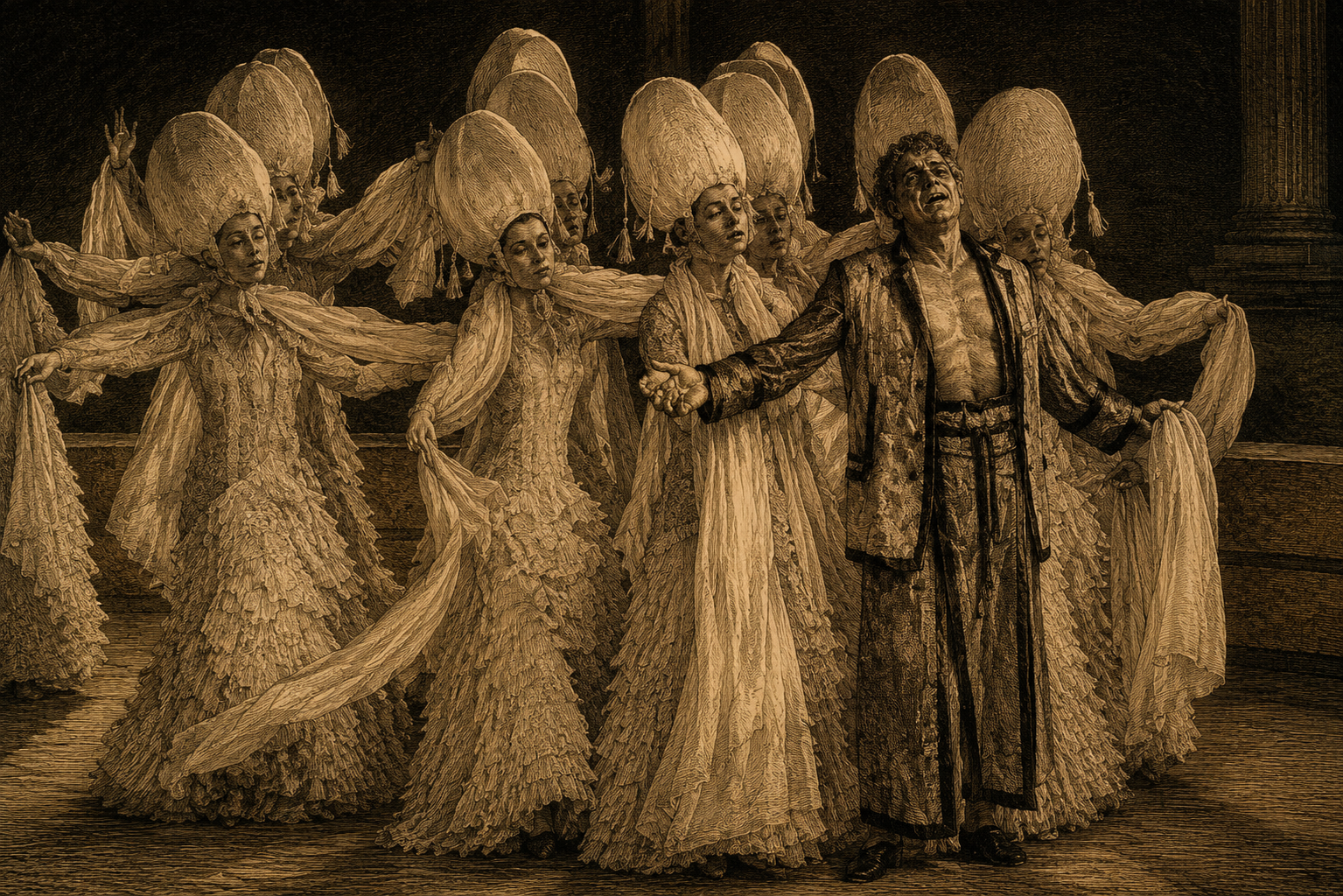
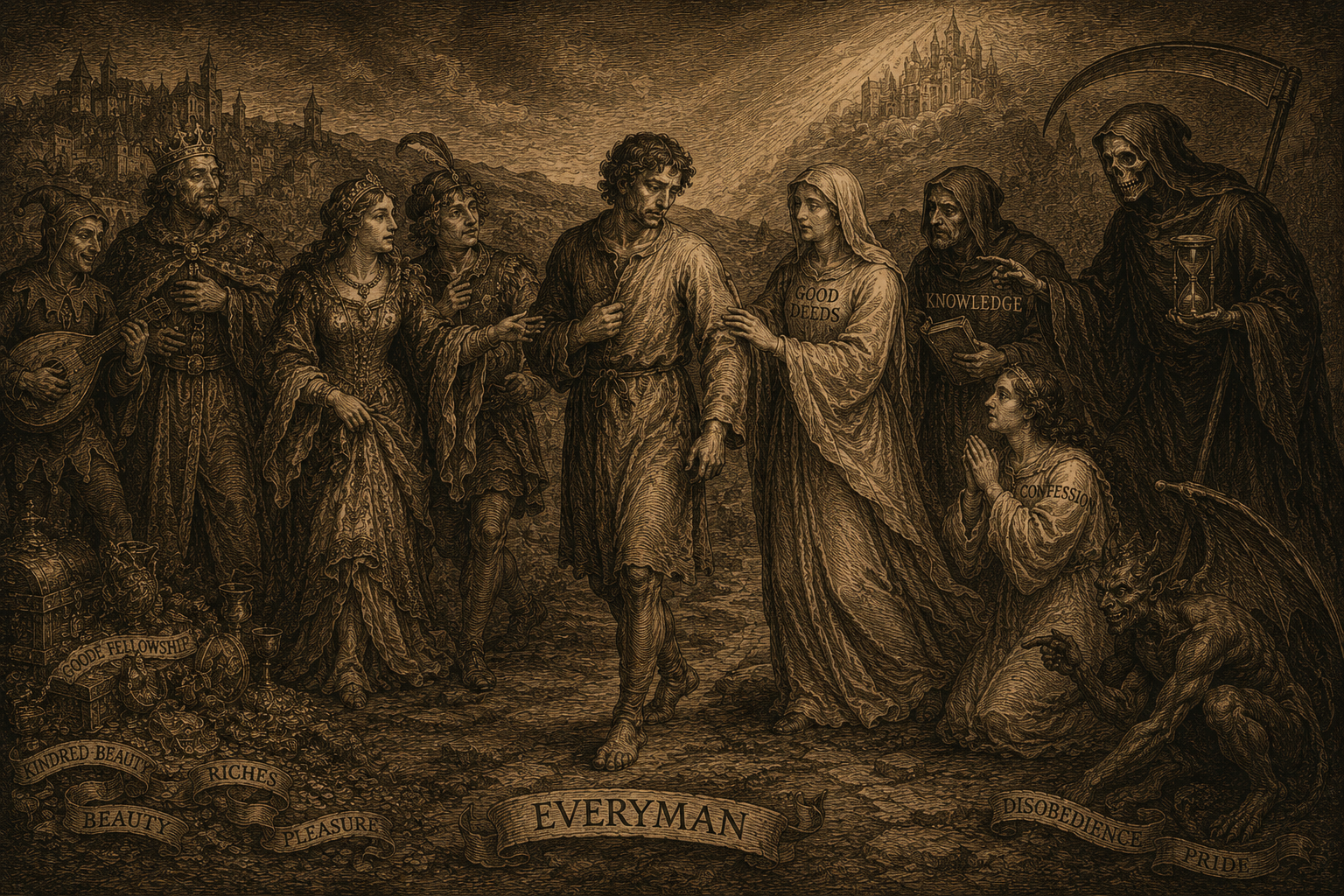
Middle Ages: Everyman Morality Play
Cantor opens the Middle Ages out of order, using the late medieval morality play Everyman to show how Christianity dethrones the Homeric hero — swapping strength for soul, glory for grace, and the aristocratic "good vs. bad" of pagan antiquity for the democratic "good vs. evil" that Nietzsche called a slave revolt in morality. Lecture 16
Read More
Hesiod & The Bible
The ancient Greek accounts of the creation differ greatly from the one in the Bible. In his Theogony, Hesiod produces a polytheistic account of the origin of the world. Lecture
Read More
Paradise Lost
Milton’s Paradise Lost as an attempt to synthesize the Biblical and classical accounts of the Creation. Lecture
Read More
Against Chivalry
They had more in common than just the sheer greatness of their literary achievements. Cervantes did not know Shakespeare's work, but Shakespeare almost certainly knew Cervantes's most famous work, Don Quixote. Essay
Read More
The Uncanonical Dante: The Divine Comedy and Islamic Philosophy
It is only by reading Dante noncanonically that we become aware of the full richness and complexity of his thought, especially the way he is open to countercurrents of ideas within the supposedly rigid orthodoxy of the Middle Ages. Essay
Read More