
CPLT 2010
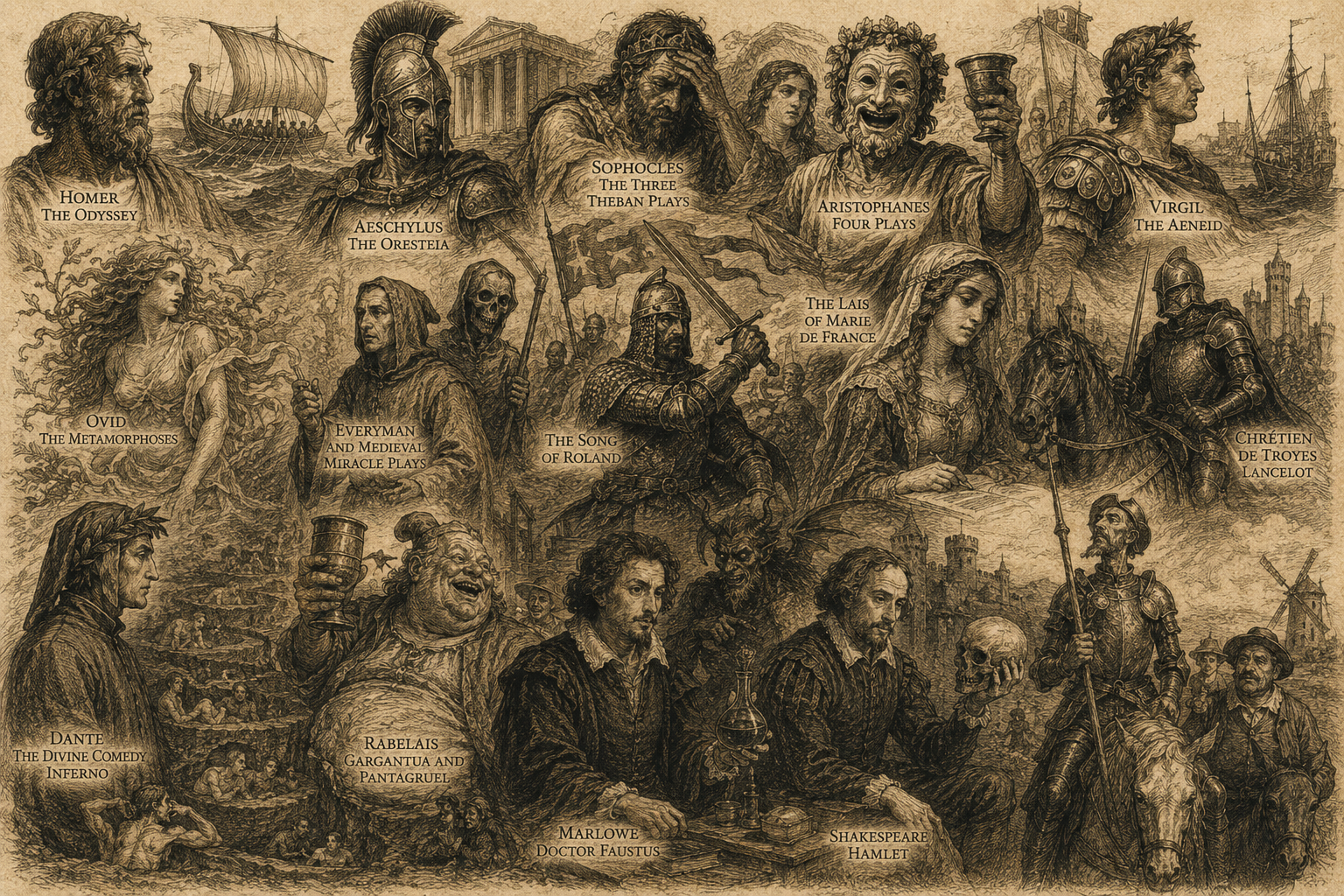
A Literary Timeline, Homer to Cervantes
Lectures
Note, Professor Cantor’s original lecture notes from the course are currently being reworked into prose and audio files. When it is complete, this course will include roughly 50 lectures that cover 30 works that span from Homer to present day. It was a two-semester course at the University of Virginia.
CPLT 2010
All Lectures
Introduction
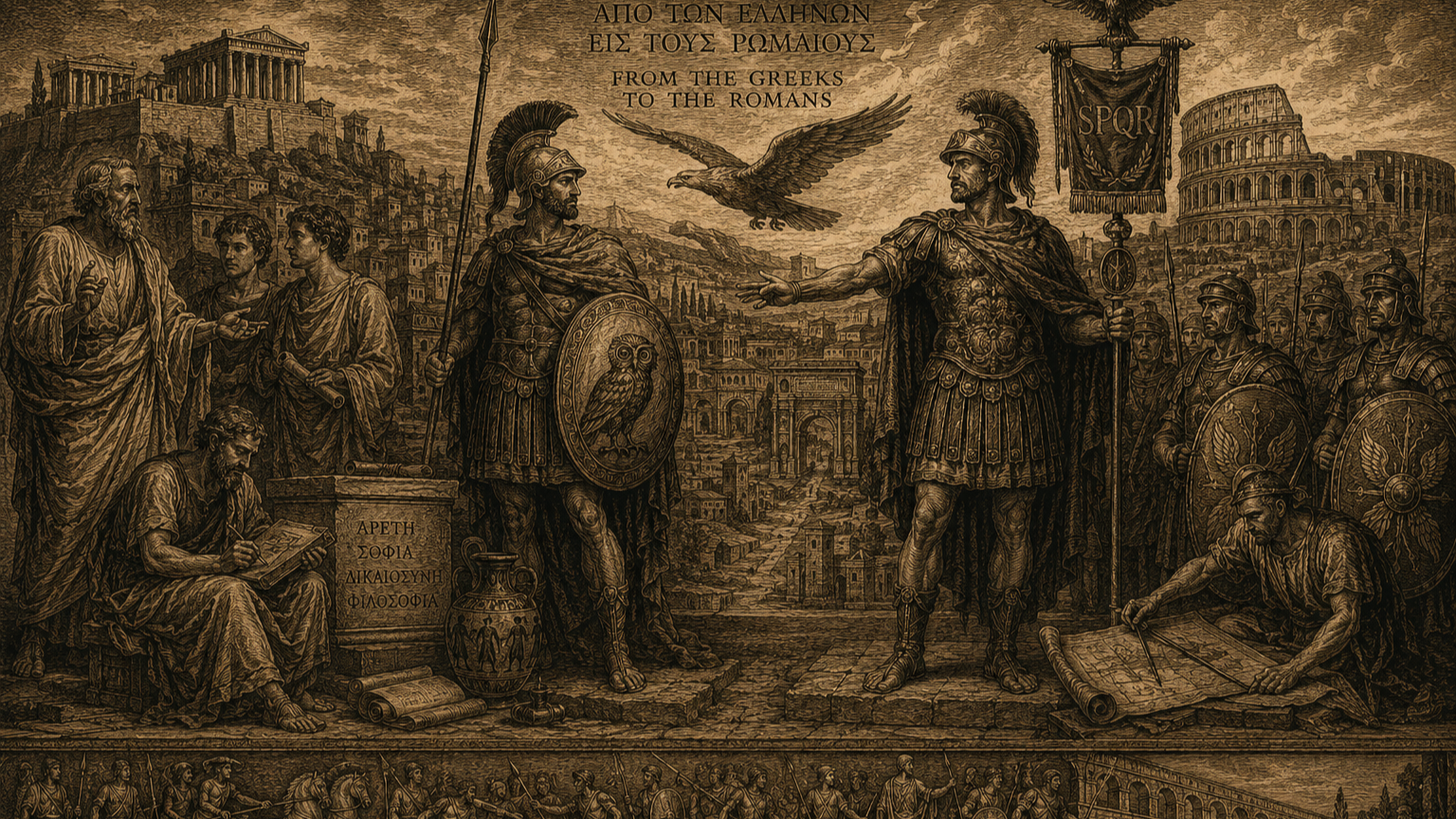
Cantor makes the case that a "canon" isn't a fixed, sacred list handed down from on high but a living argument authors have been having with each other for millennia — and that studying it is itself an act of comparative literature.
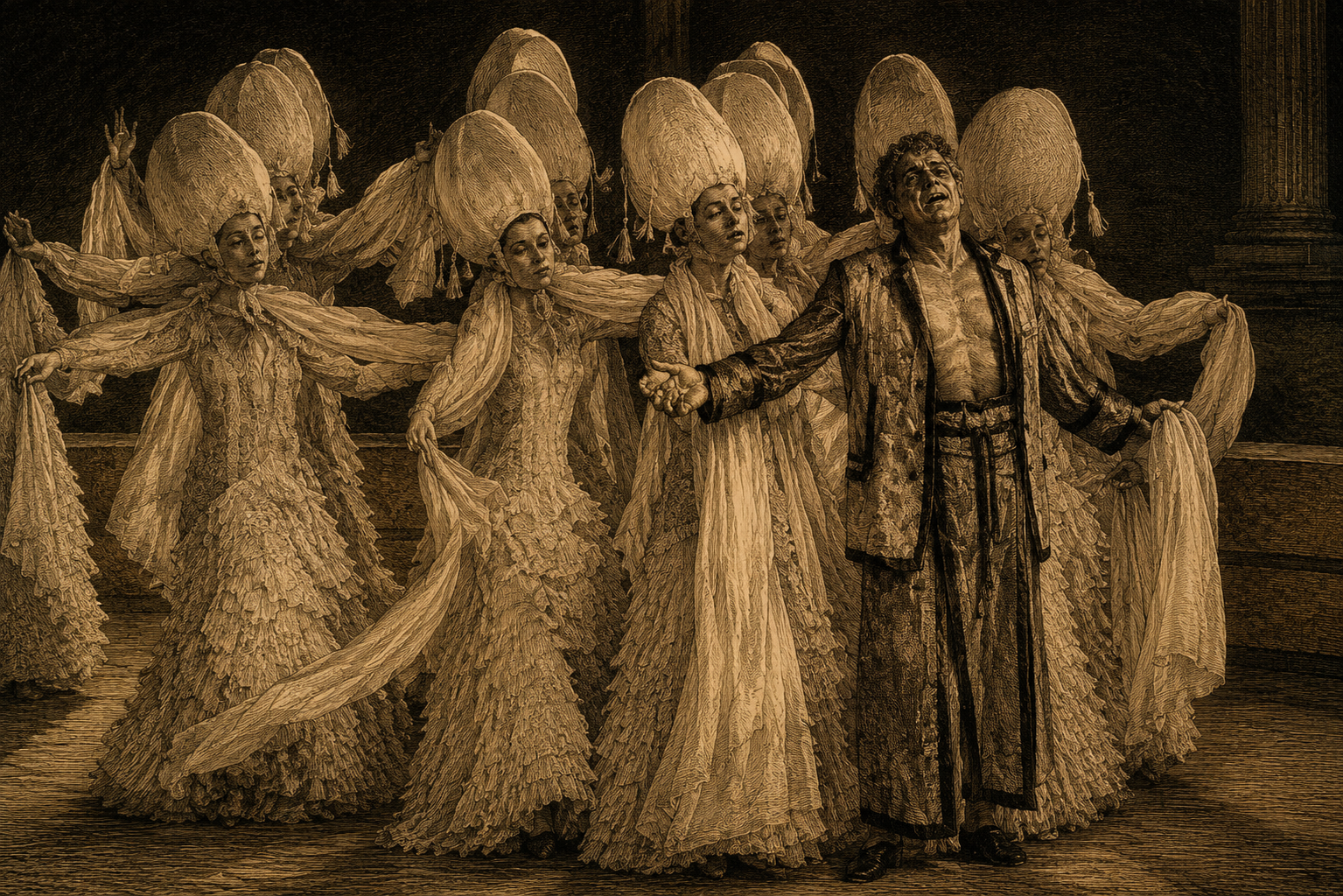
Greek Drama: An Introduction
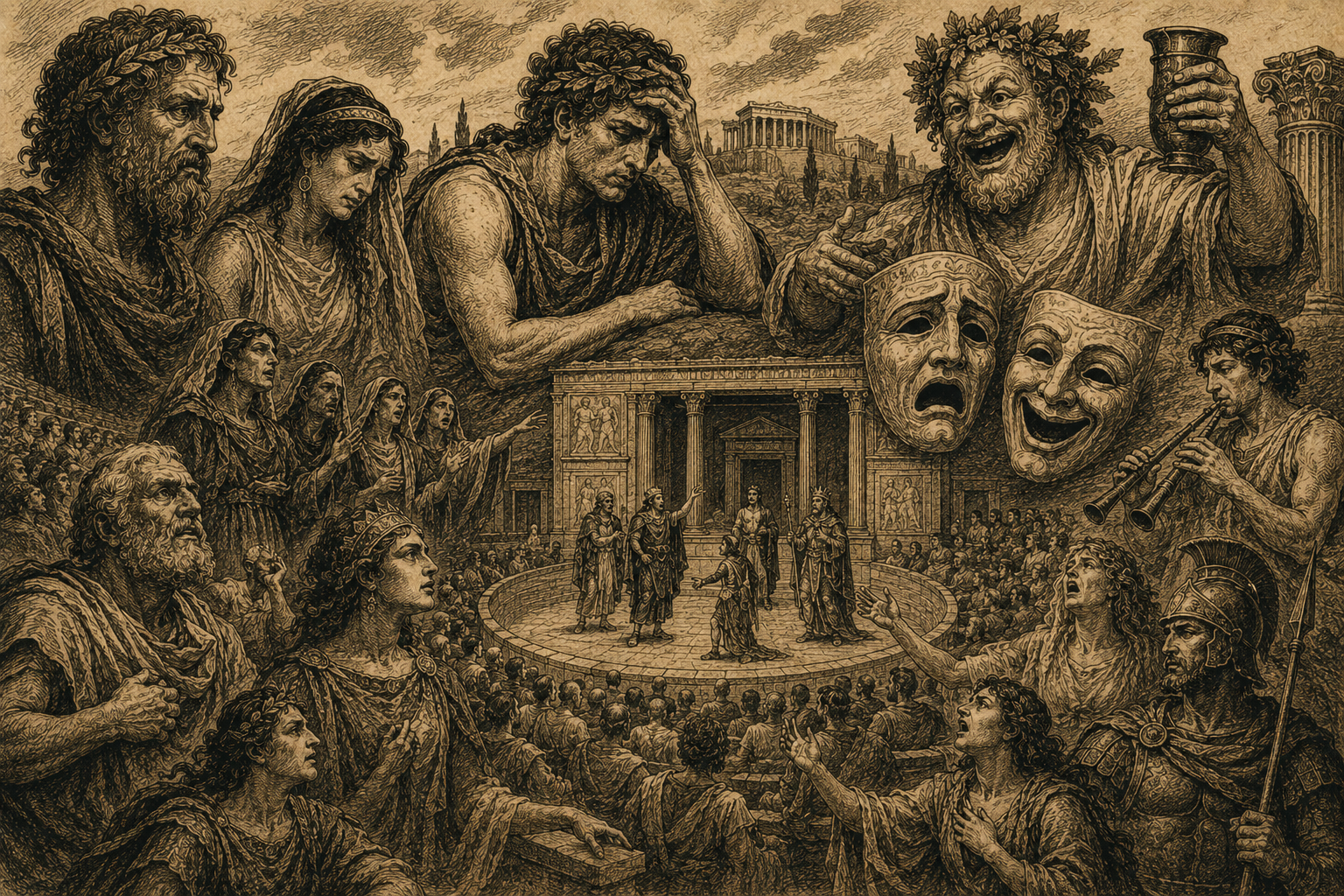
Before turning to tragedy itself, Cantor explains why Athenian theater was a civic and religious institution rather than mere entertainment, and how the polis's own uneasy relationship with its heroic past made this the one moment in history when tragedy could flourish.
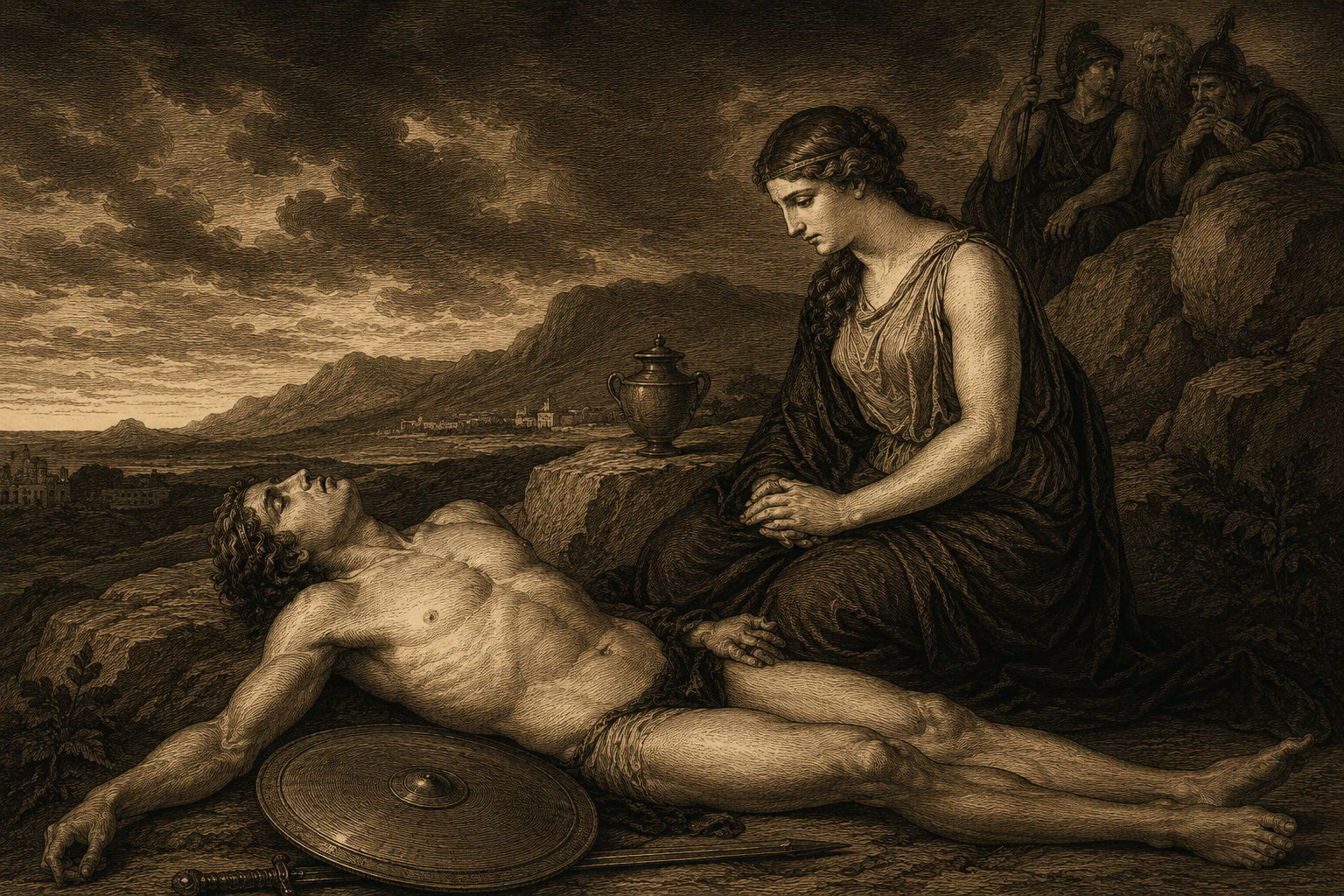
The Iliad, Session I
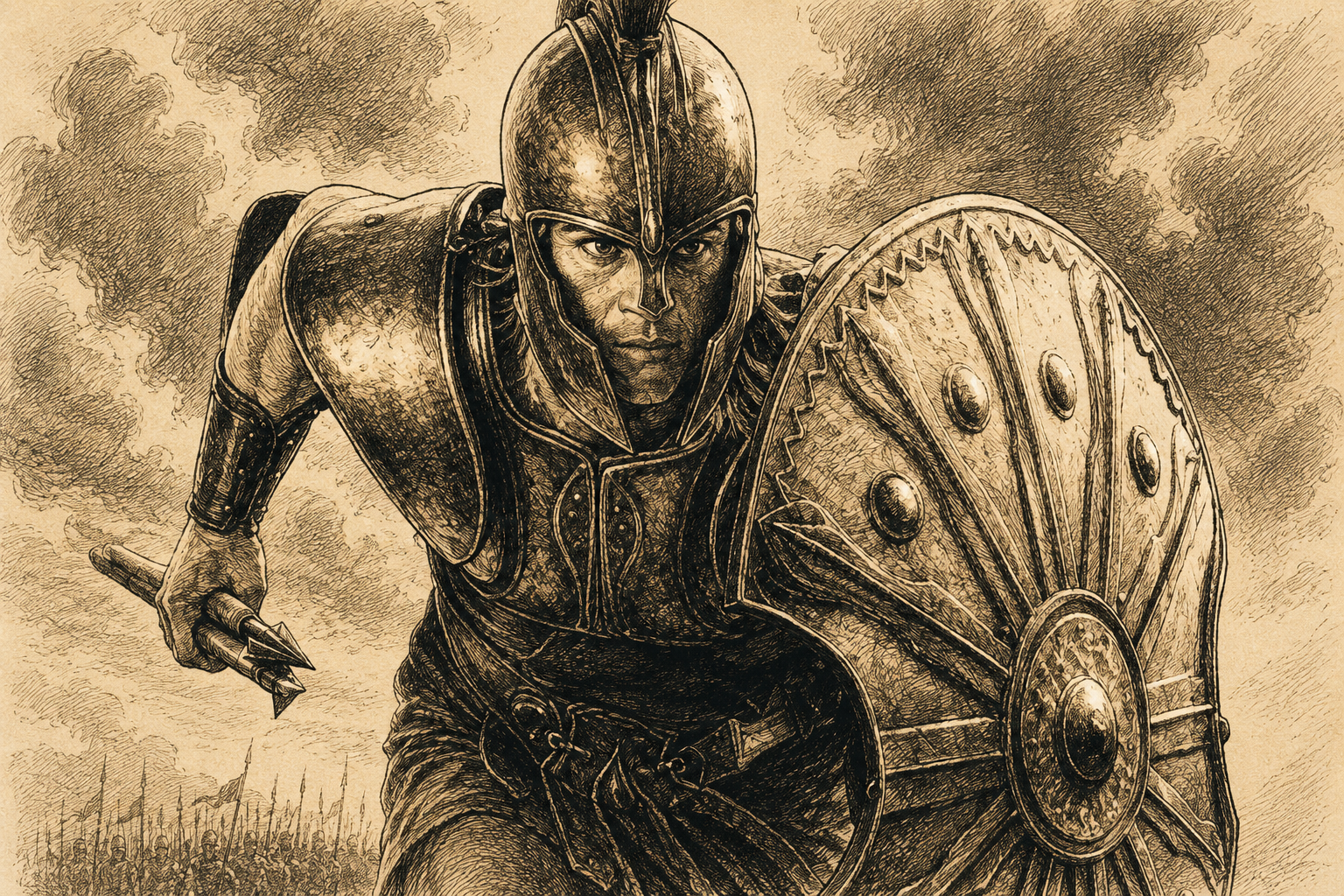
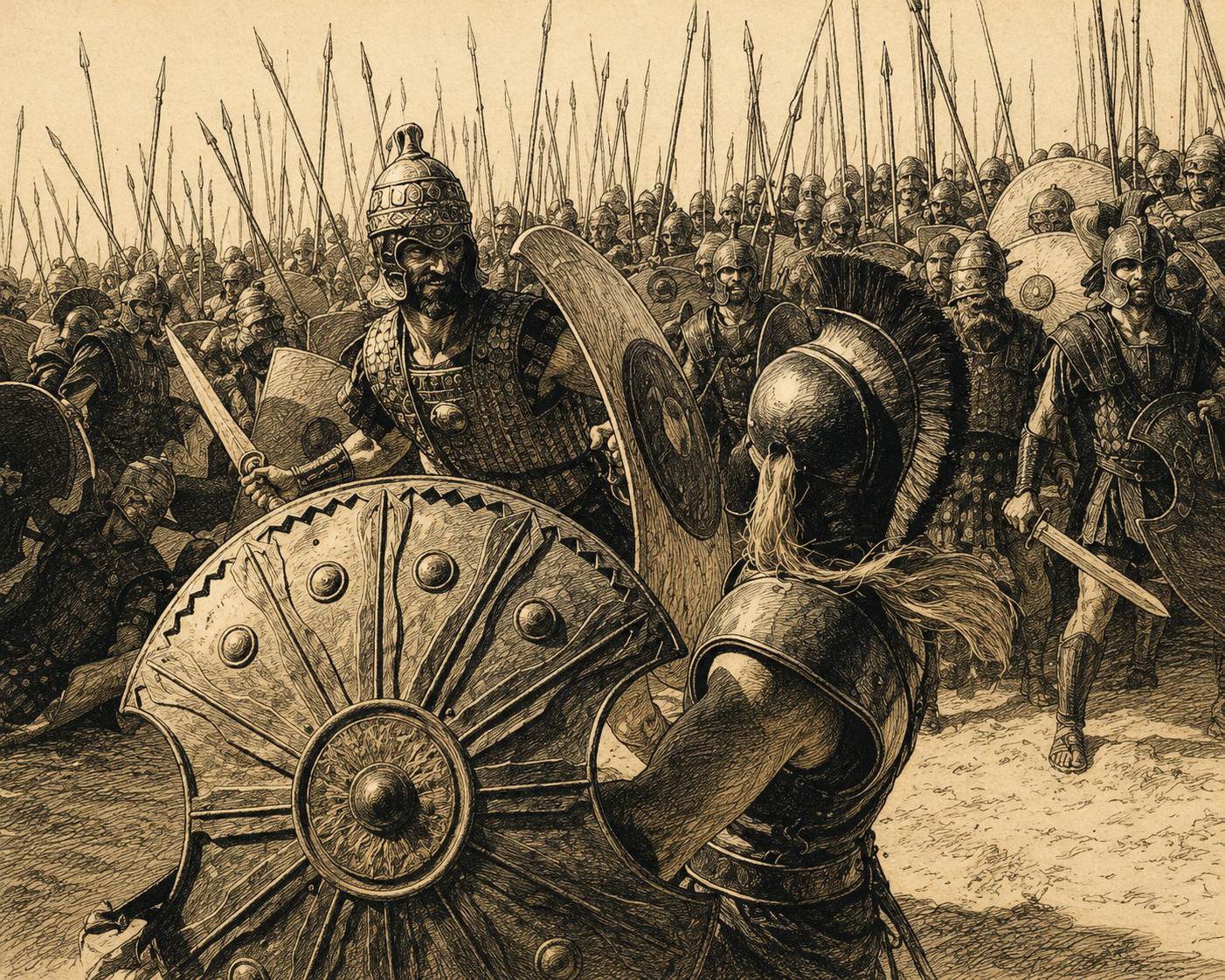
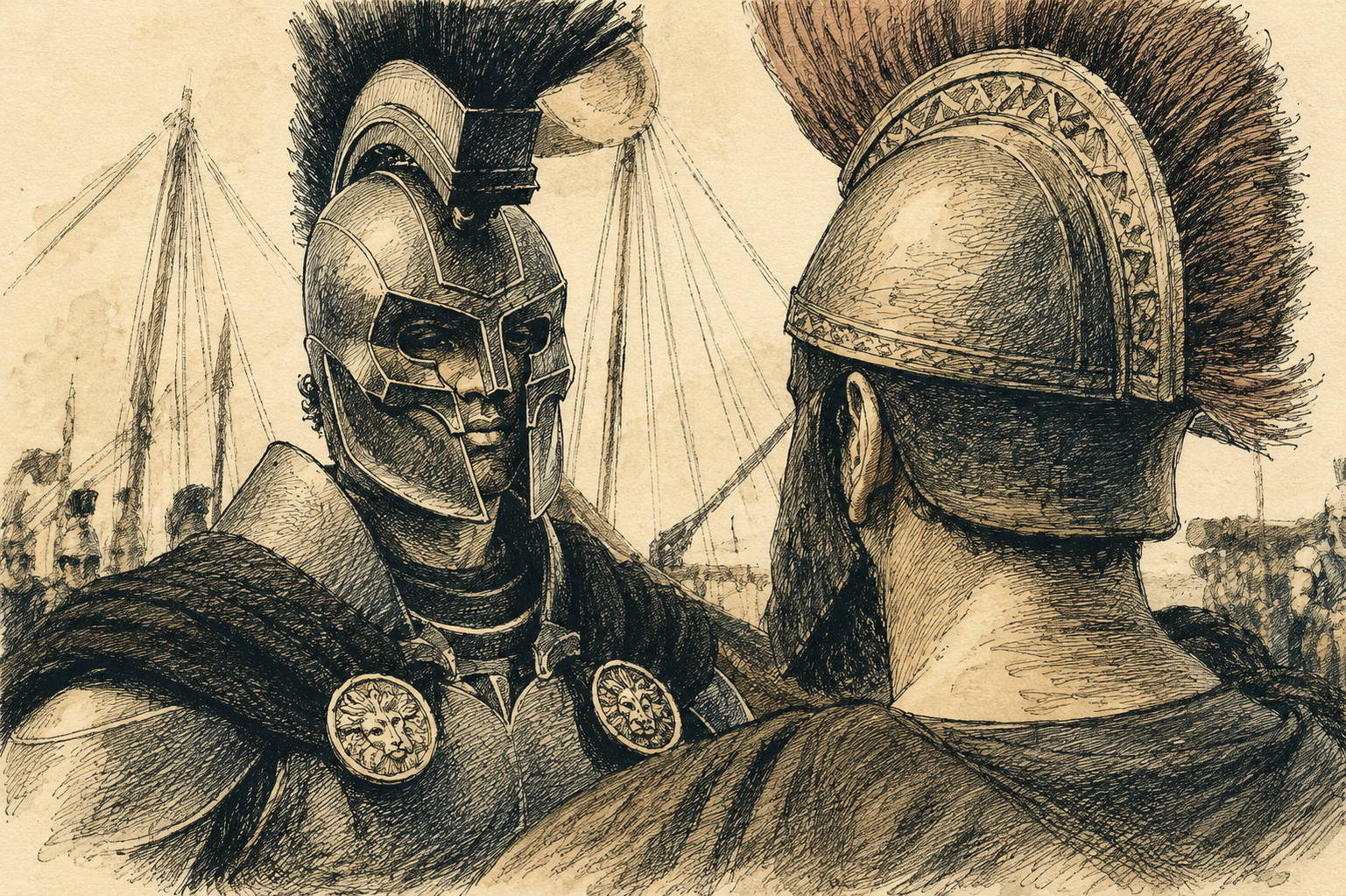
Cantor untangles the Homeric Question — was there a Homer? — to show that the Iliad's real subject is Achilles's discovery that being the best warrior alive doesn't make you the rightful king.
The Iliad, Session II
Reading the poem through its binary oppositions — hero against ordinary man, Greek against Trojan, mortal against god — Cantor shows how Achilles's shield quietly points toward a fuller vision of life the Iliad itself can't yet contain.
The Odyssey, Session I
Where Achilles has thumos, Odysseus has metis — and Cantor traces how that shift from raw force to cunning intelligence makes the Odyssey the first epic genuinely interested in ordinary human life.
The Odyssey, Session II
Cantor reads Homer's polytheism as a surprisingly reasonable answer to the problem of evil, and Odysseus's growing skepticism toward the gods as the first stirring of the philosophical spirit that will define the Greeks.
The Oresteia
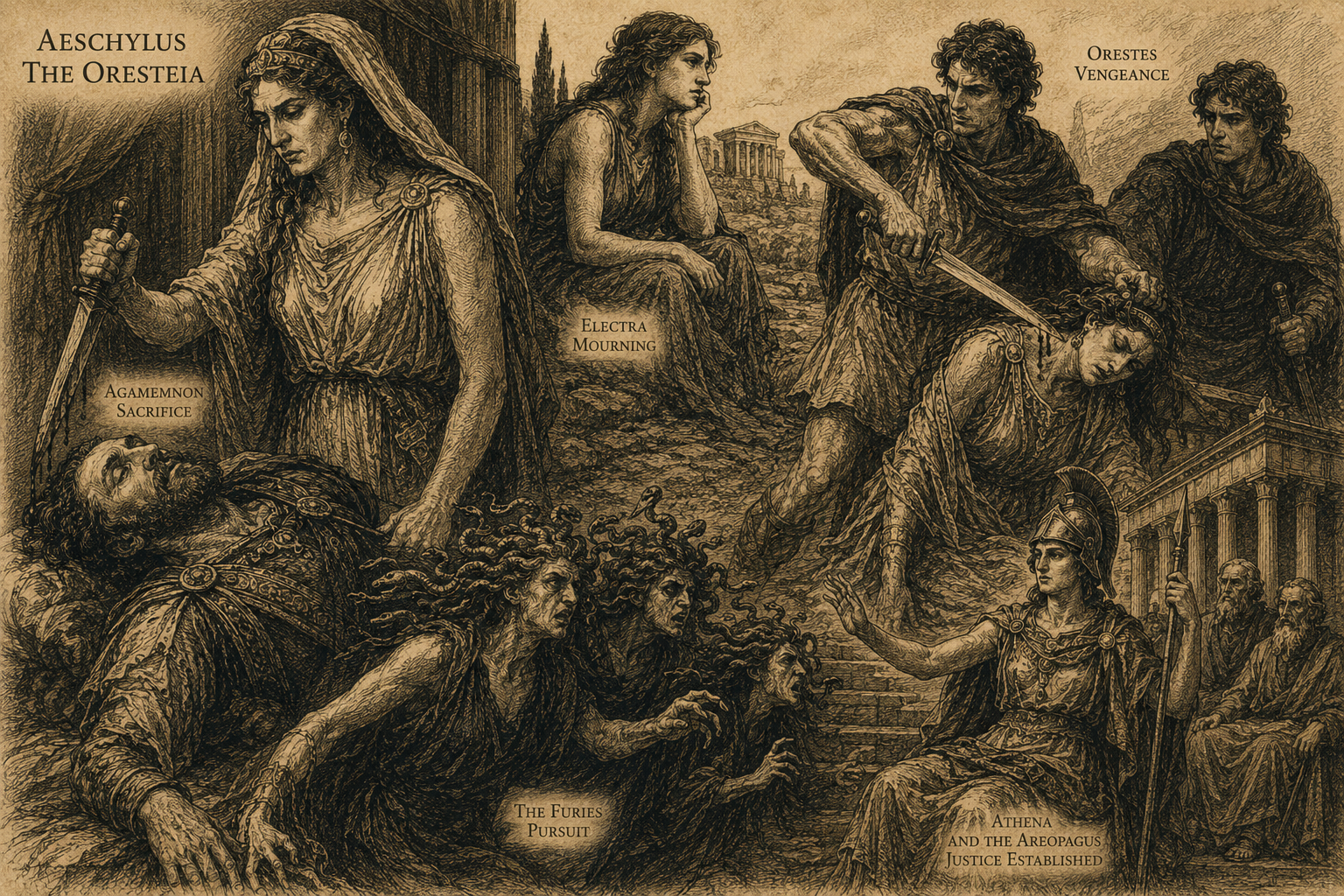
Aeschylus stages the trial that Homer's heroes never could: whether a city's law courts can finally break the endless blood-feud logic of revenge that destroyed the house of Atreus.
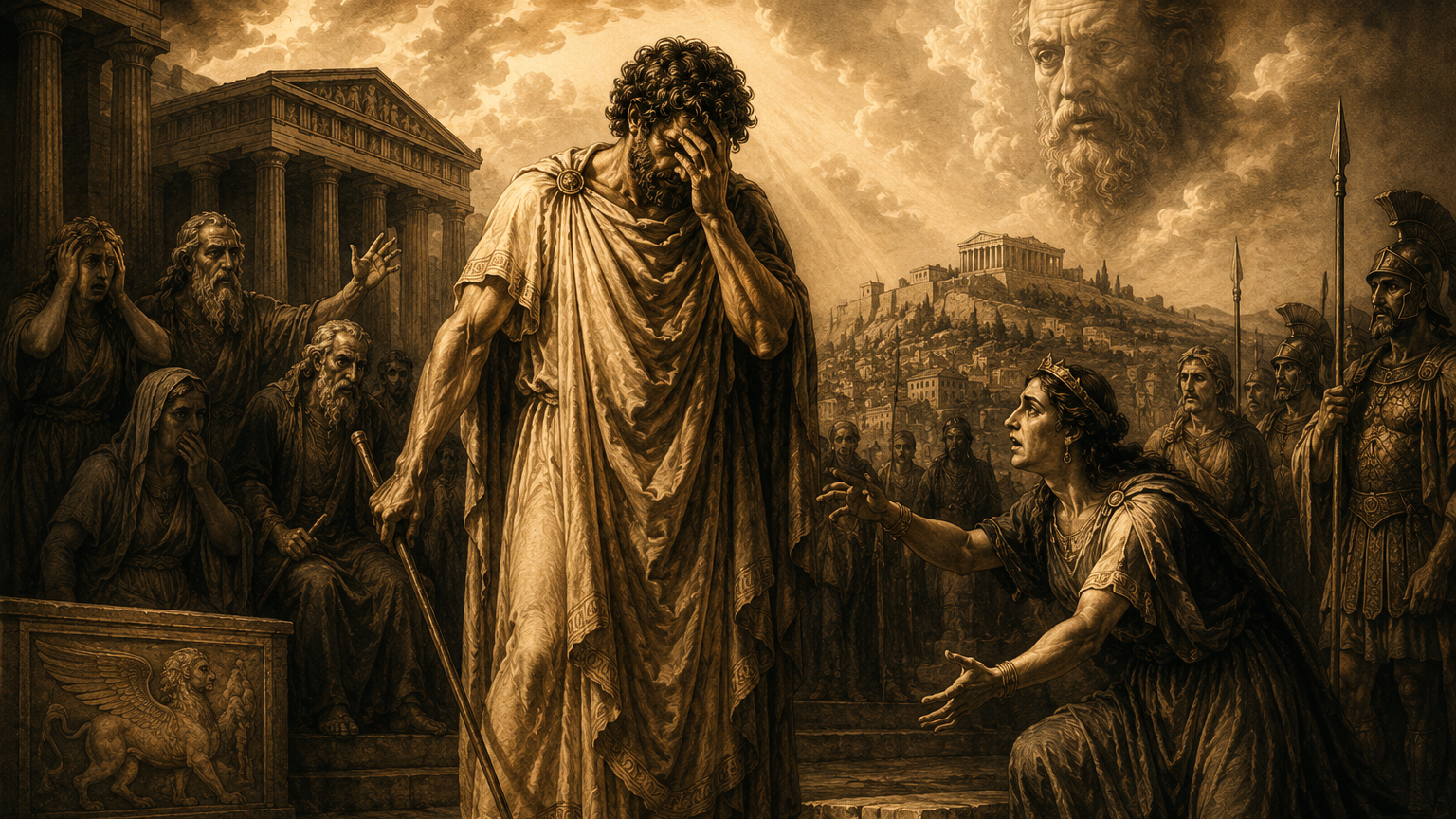
Oedipus Tyrannos, Session I
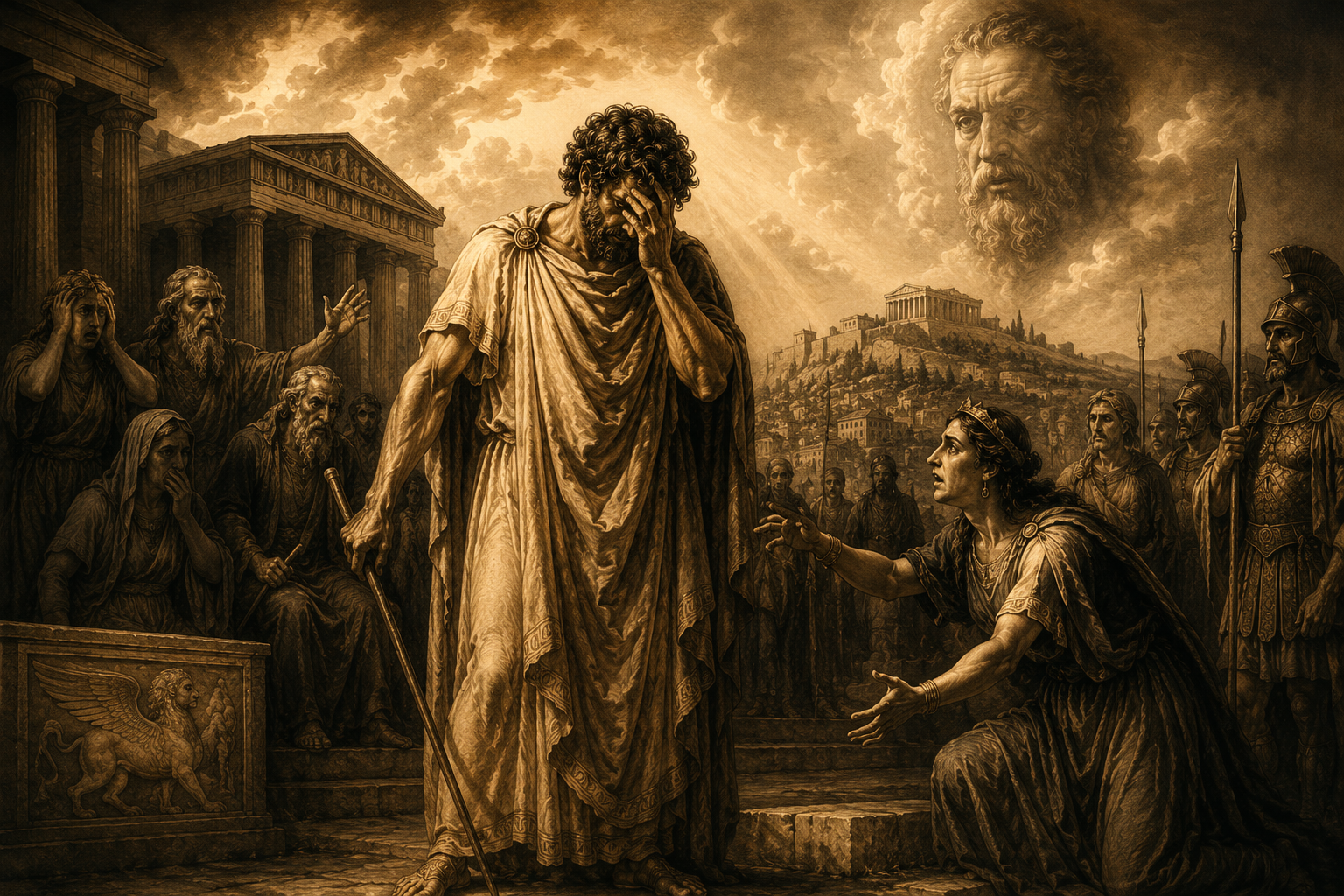
Cantor reframes Oedipus not as a victim of fate but as the prototype of the self-made tyrant, whose very brilliance — the same cleverness that saved Thebes — is what drives him to uncover the truth that destroys him.
Oedipus Tyrannos, Session II
Sophocles asks us to see Oedipus as both god and beast at once, and Cantor argues that the play's real "tragic flaw" isn't pride but the impossibility of separating what makes Oedipus great from what makes him monstrous.
Antigone
Cantor stages Hegel's theory of tragedy — two goods, not good against evil — as Antigone's appeal to an eternal law above the city collides with Creon's insistence that the polis speaks for everything, exposing the state's own claim to universality as a fraud.
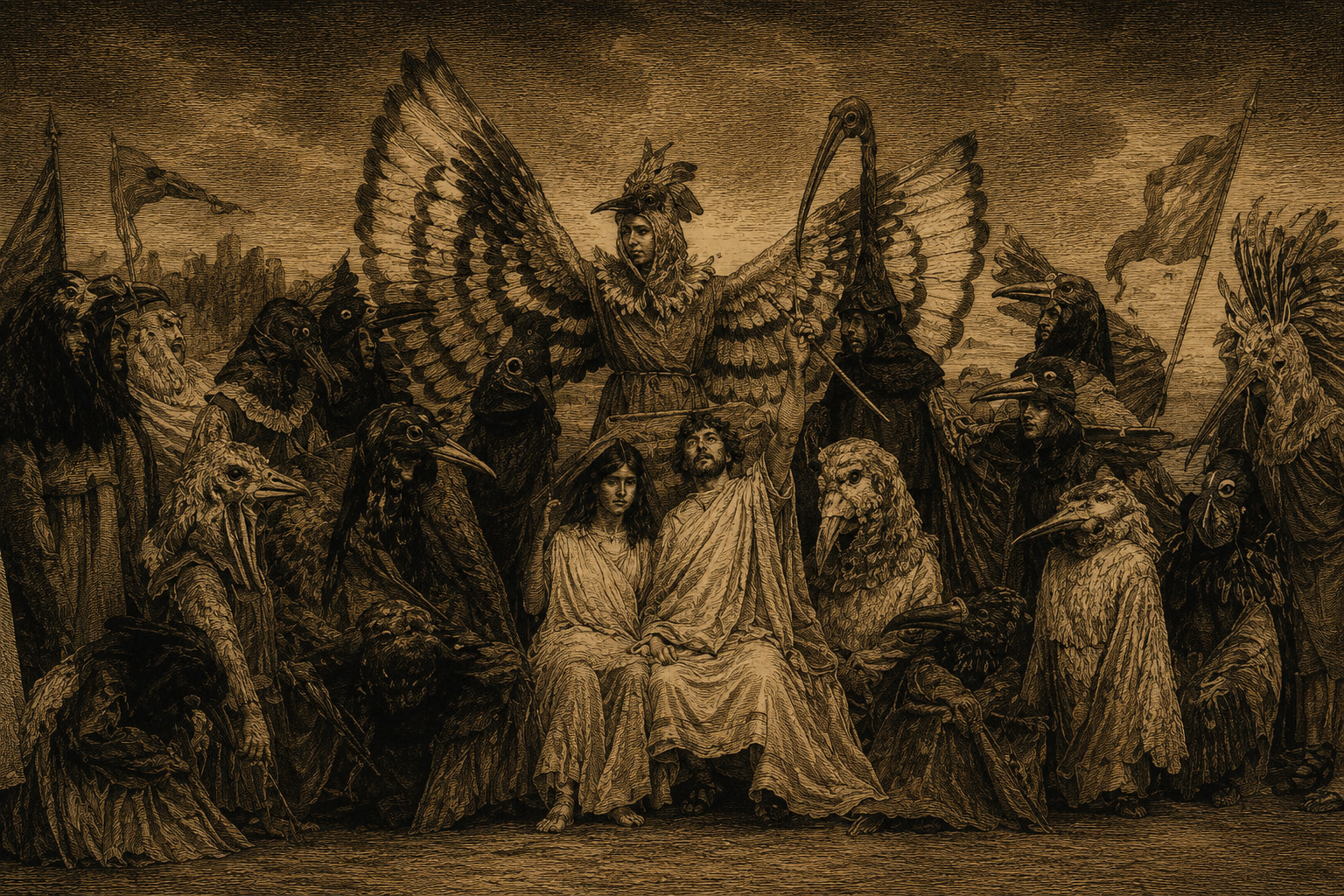
Aristophanes and the Birth of Greek Comedy Featuring The Birds
Cantor argues that comedy, not tragedy, may be the more effective moderating force in Greek culture — since Aristophanes shows us that a man merely dreaming of becoming a god is noble, while a man who already thinks he is one is just ridiculous.
Aristophanes and the Philosopher Featuring The Clouds
Long before Plato's flattering portrait, Aristophanes gave us the first depiction of Socrates — as a fraud with his head literally in the clouds — and Cantor uses the gap between the two portraits to introduce the philosopher as one final, contested candidate for Greek hero.
The Aeneid, Session I
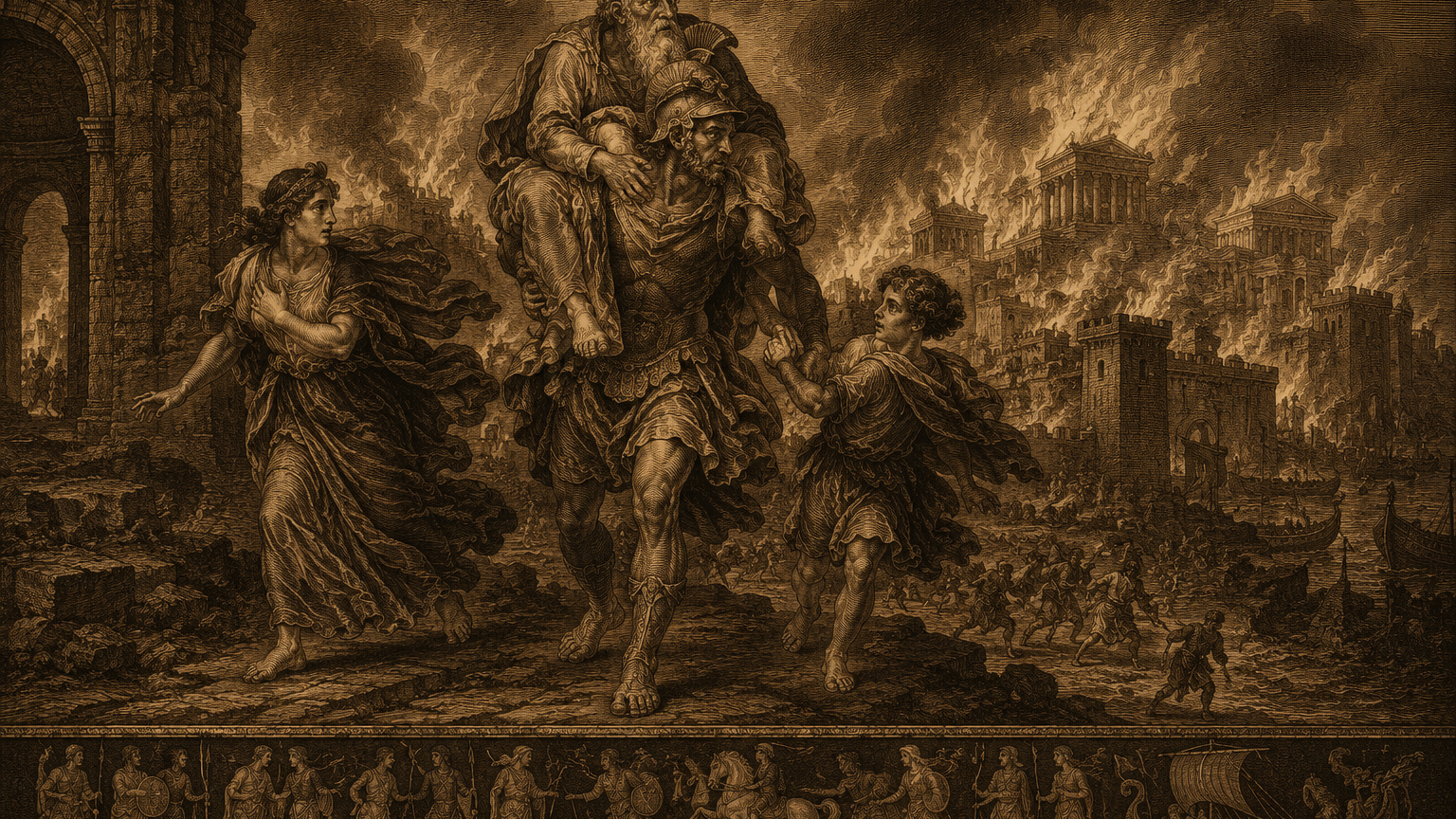
Crossing from Greece to Rome, Cantor shows how Virgil converts Homer's tragic vision of civilization collapsing into barbarism into a providential myth of Rome rising from Troy's ashes to rule the world forever.
The Aeneid, Session II
Virgil remakes the Homeric hero in Rome's own image — reversing the Iliad's outcome so that the Hector-like Aeneas defeats the Achilles-like Turnus — while quietly admitting, through Dido, just how much human cost that new Roman discipline demands.
Ovid's Metamorphoses
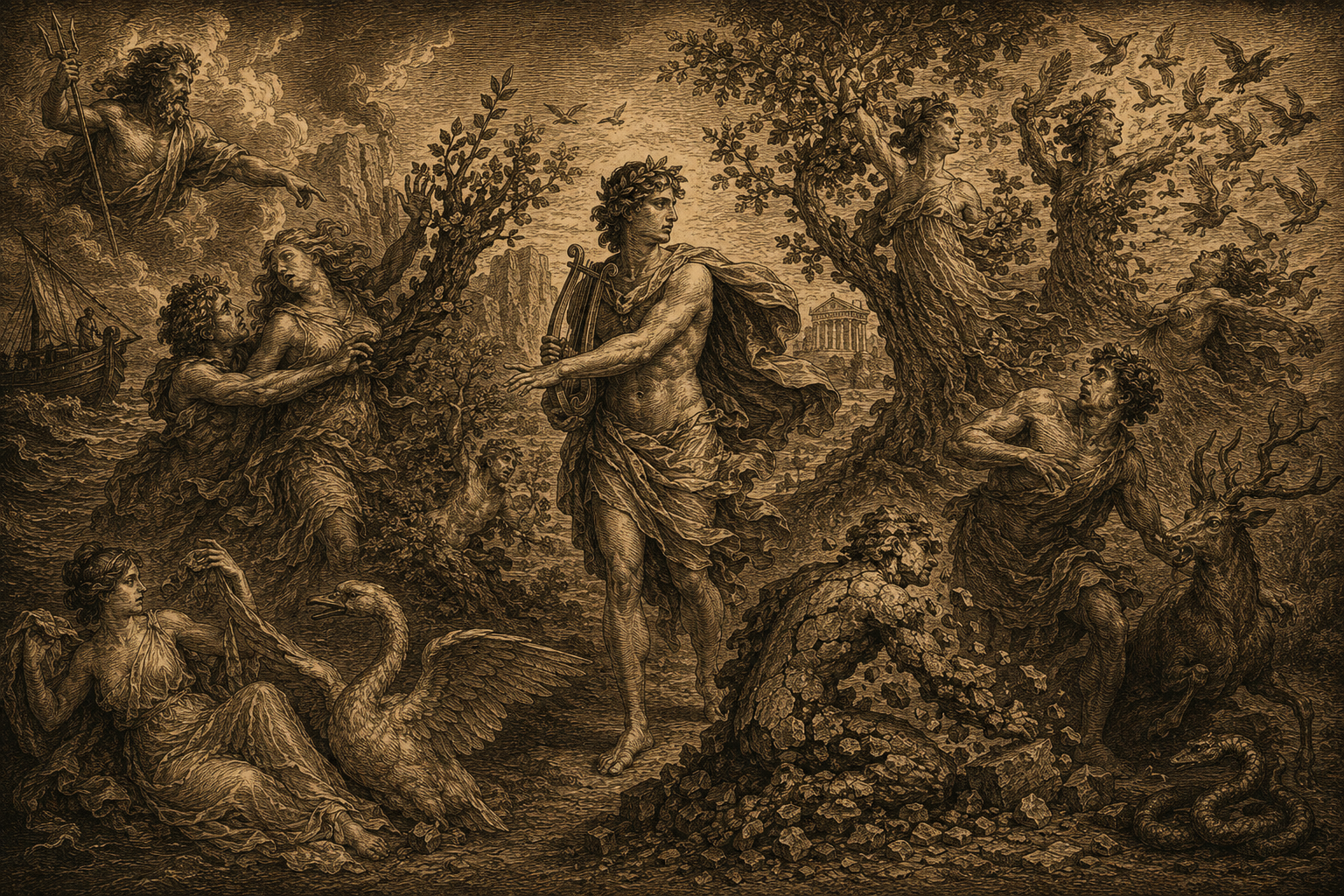
As Rome hardens from Republic into Empire, Ovid answers Virgil's myth of order with a world where the gods are as fickle as emperors, the ground beneath every certainty keeps shifting, and the only truths left to tell have to be smuggled in as myth.
Introduction to the Middle Ages via Everyman
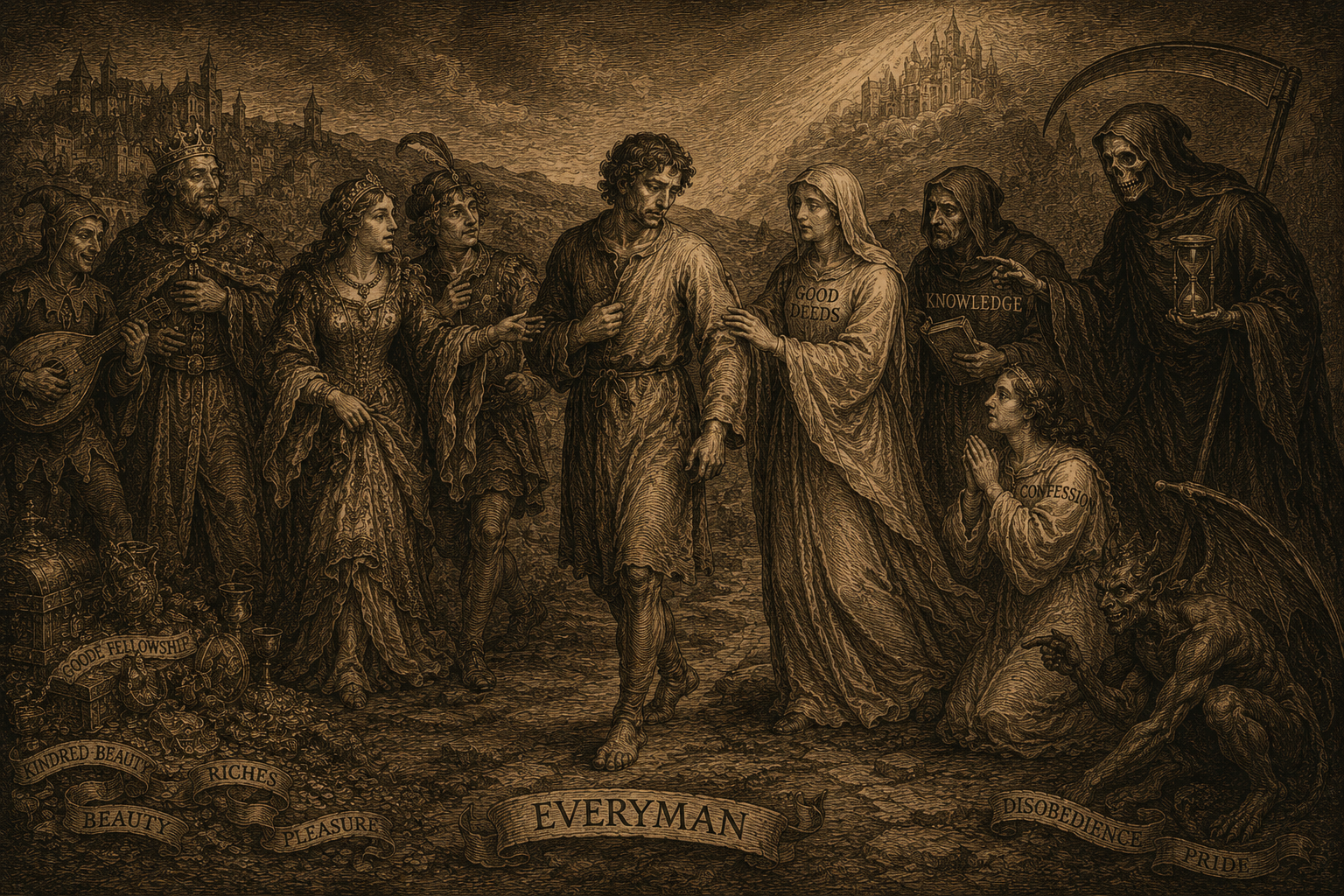
Cantor opens the Middle Ages out of order, using the late medieval morality play Everyman to show how Christianity dethrones the Homeric hero — swapping strength for soul, glory for grace, and the aristocratic "good vs. bad" of pagan antiquity for the democratic "good vs. evil" that Nietzsche called a slave revolt in morality.
The Song of Roland
Coming soonThe Lais of Marie de France
Coming soonChrétien de Troyes, Lancelot
Coming soonDante, Inferno
Coming soonRabelais, Gargantua & Pantagruel
Coming soonMarlowe, Doctor Faustus
Coming soonShakespeare, Hamlet
Coming soonCervantes, Don Quixote
Coming soon